

JAGR Annual Conference 2026: A Retrospective
The Age of Anxiety: Dependence, Autonomy, and Strategic Ambiguity
19–20 September 2026 | Ryukoku University, Fukakusa Campus, Kyoto
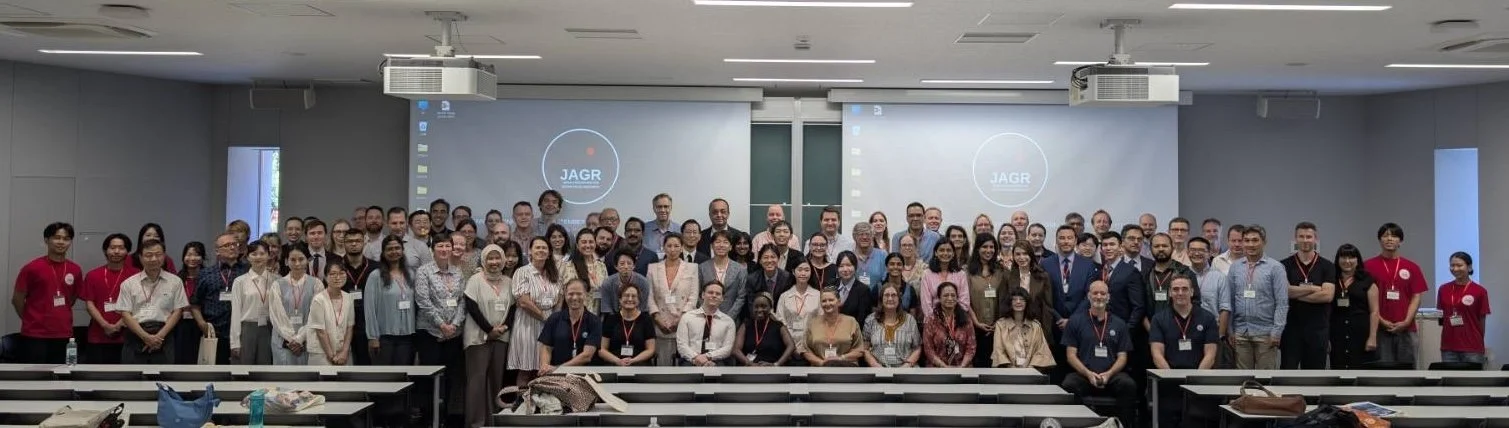
On the weekend of 19–20 September 2026, the Japan Association for Geopolitical Research (JAGR) held its annual conference at Ryukoku University's Fukakusa Campus in Kyoto. Bringing together 117 presenters from 33 countries, and attracting approximately 150 participants over the two days, the event was our largest conference to date and represented an important step forward in the association's development.
The conference theme, The Age of Anxiety: Dependence, Autonomy, and Strategic Ambiguity, reflected many of the uncertainties shaping contemporary international relations. Against a backdrop of intensifying geopolitical competition, shifting strategic partnerships, technological transformation, and ongoing armed conflicts, questions of dependence and autonomy have become increasingly important for states, institutions, and societies around the world. The theme was intended to encourage discussion across a broad range of perspectives and disciplines, allowing participants to examine not only the challenges confronting the international system but also the ways in which different actors are responding to them.
The weather, at least, provided a welcome contrast to the anxieties suggested by our theme. Following heavy rainfall and flooding in nearby Nagoya, we were fortunate to enjoy a warm and dry weekend in Kyoto. With participants travelling from across Japan and around the world, some having made considerable journeys to attend, the favourable conditions were particularly appreciated.
Bringing together a diverse research community
One of the most satisfying aspects of this year's conference was the breadth of its international participation. With 117 presenters representing 33 countries, the programme brought together researchers working across a wide range of geographical regions, academic disciplines, and theoretical approaches. This diversity was particularly valuable given the conference's central concern with the different ways in which states and societies understand and navigate an increasingly uncertain international environment.
The academic programme featured five parallel sessions on Saturday and six on Sunday, accommodating presentations on an extensive range of subjects. Japan's evolving security environment and the strategic tensions affecting East Asia featured prominently, alongside examinations of the continuing wars in Ukraine and Iran and their wider implications for regional and international security. Other contributions addressed shifts in the global balance of power, changing relationships between major and smaller states, and the increasingly significant role of technological developments in shaping international relations.
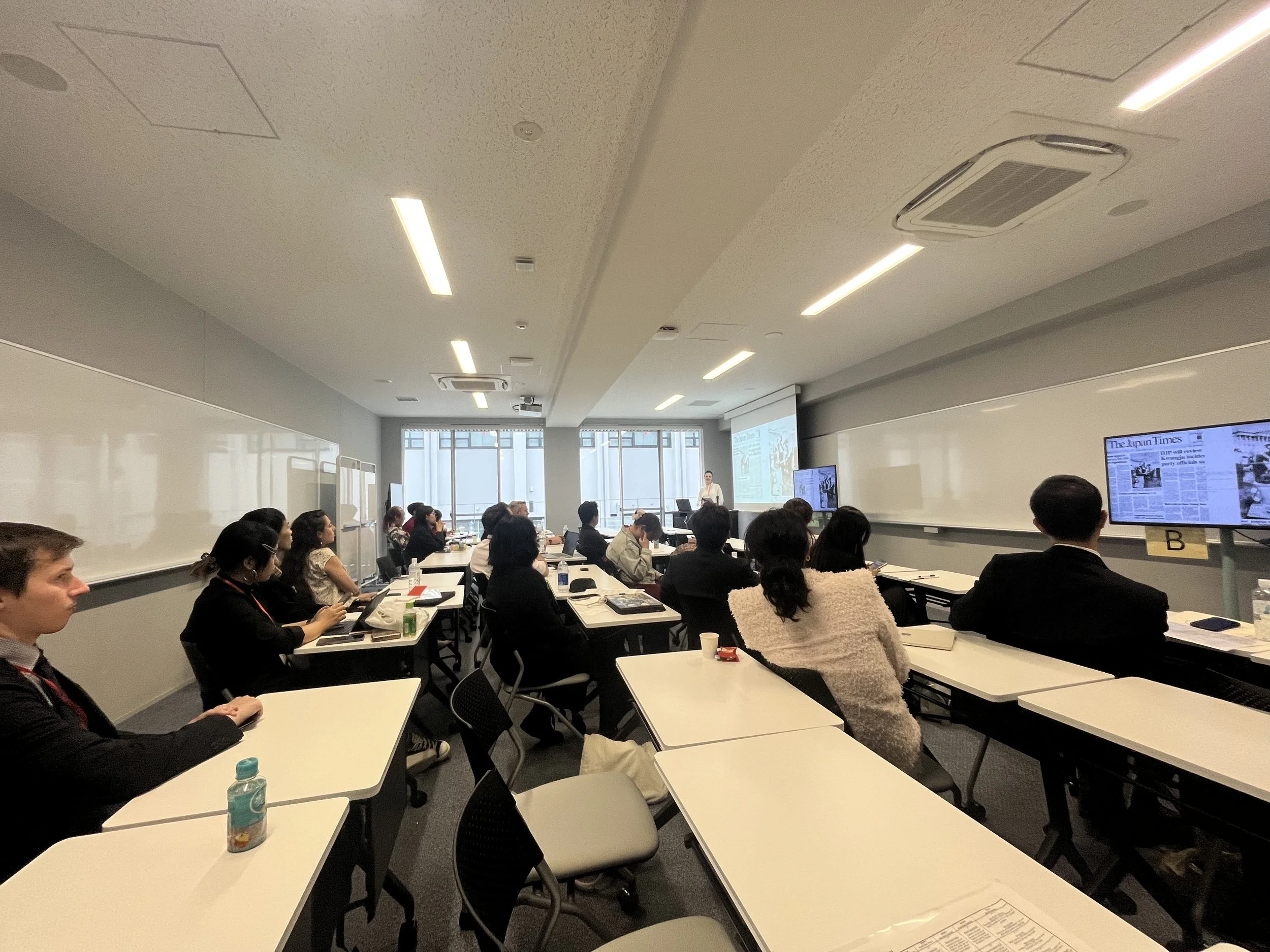
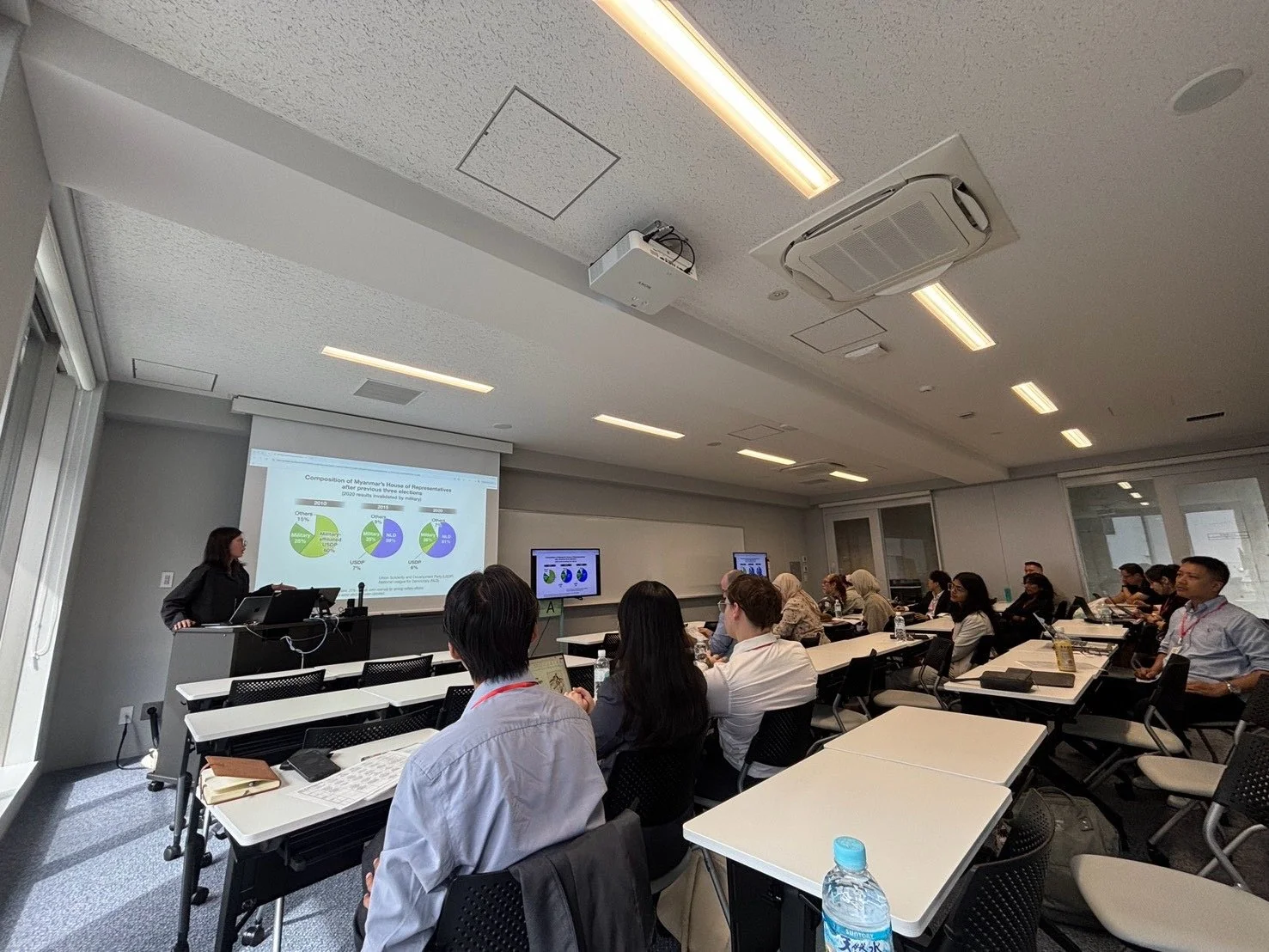
An especially encouraging feature was the participation of graduate students and early-career researchers. Academic conferences are often particularly valuable for those still establishing themselves within their fields, offering opportunities to present developing research, receive constructive feedback, and establish relationships beyond their own institutions. We were therefore very pleased to welcome a number of younger scholars and hope that their experience at JAGR 2026 will encourage their continued involvement in our activities.
Indeed, one of the guiding principles behind JAGR's conferences is that academic exchange should not be restricted to the formal presentation of completed research. The opportunity to test emerging ideas, encounter unfamiliar perspectives, and discuss questions that might not fit neatly within the boundaries of a particular presentation can be equally valuable.
A keynote exploring strategic dependence
A particular highlight of the weekend was the keynote presentation delivered by Professor Evelyn Goh, to whom we extend our sincere gratitude for joining us.
Her presentation, Connecting Security and Economics: Regime Security in Southeast Asia's Management of Dependence on China, examined the complex relationships between economic dependence, political security, and strategic autonomy in Southeast Asia.
The talk explored how China's investment in infrastructure and industry can create relationships of strategic dependence, and how Southeast Asian states seek to manage the opportunities and constraints arising from these economic ties. In doing so, it drew attention to the importance of understanding economic relationships not simply in terms of trade and development, but also through their implications for political decision-making and national security.

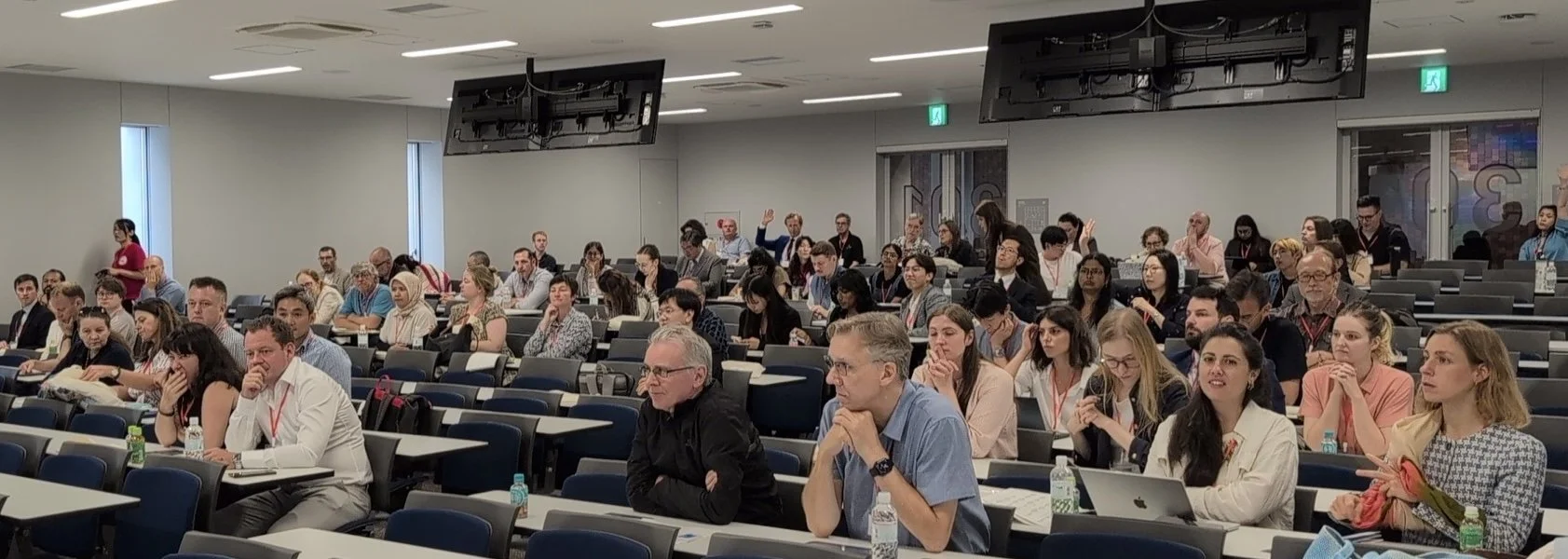
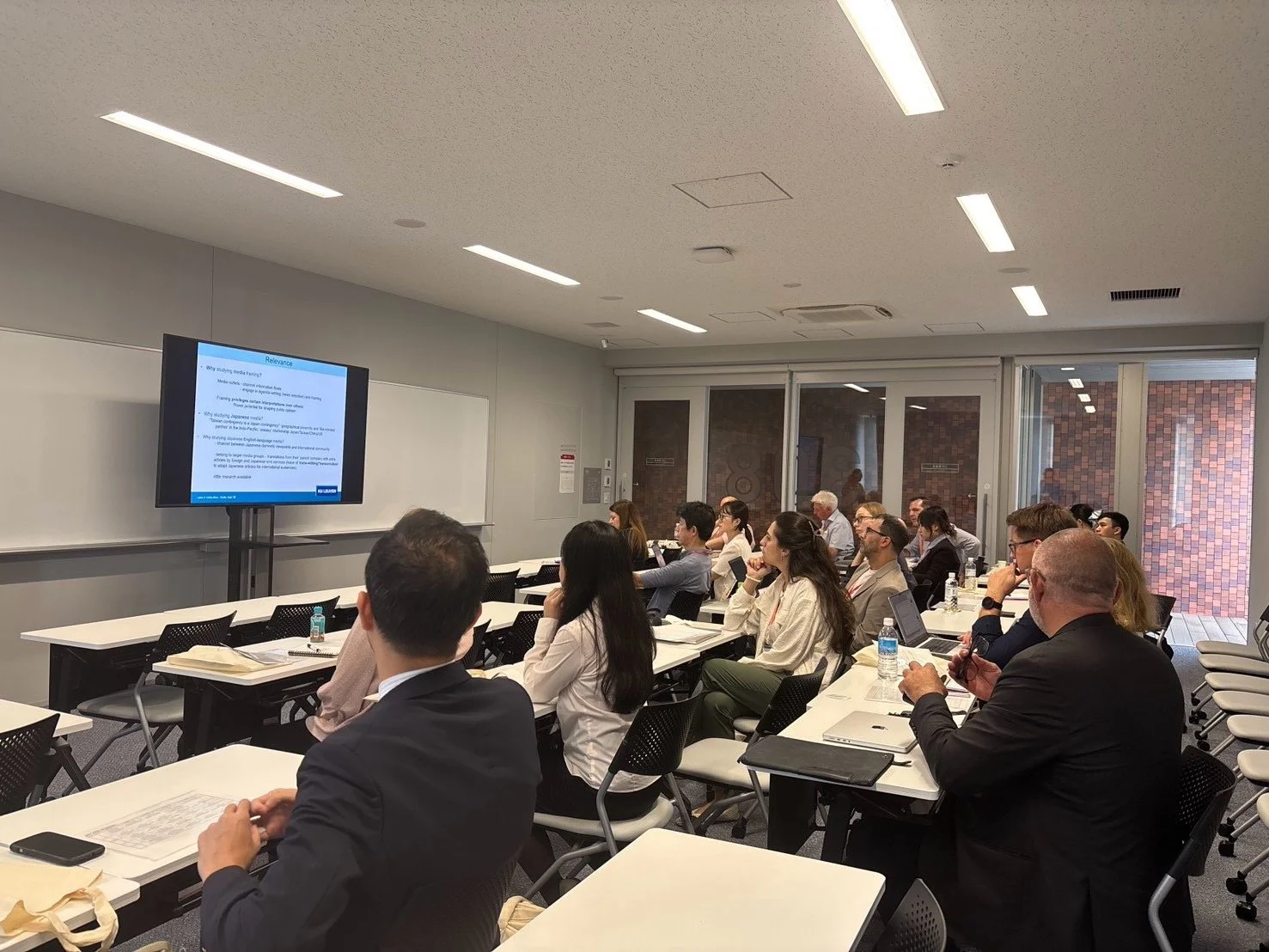
These subjects were complemented by numerous other presentations exploring political, economic, historical, and strategic dimensions of contemporary geopolitics. Although it would be impossible to acknowledge every individual contribution here, we are grateful to all our presenters for the time, research, and intellectual energy they brought to the event.
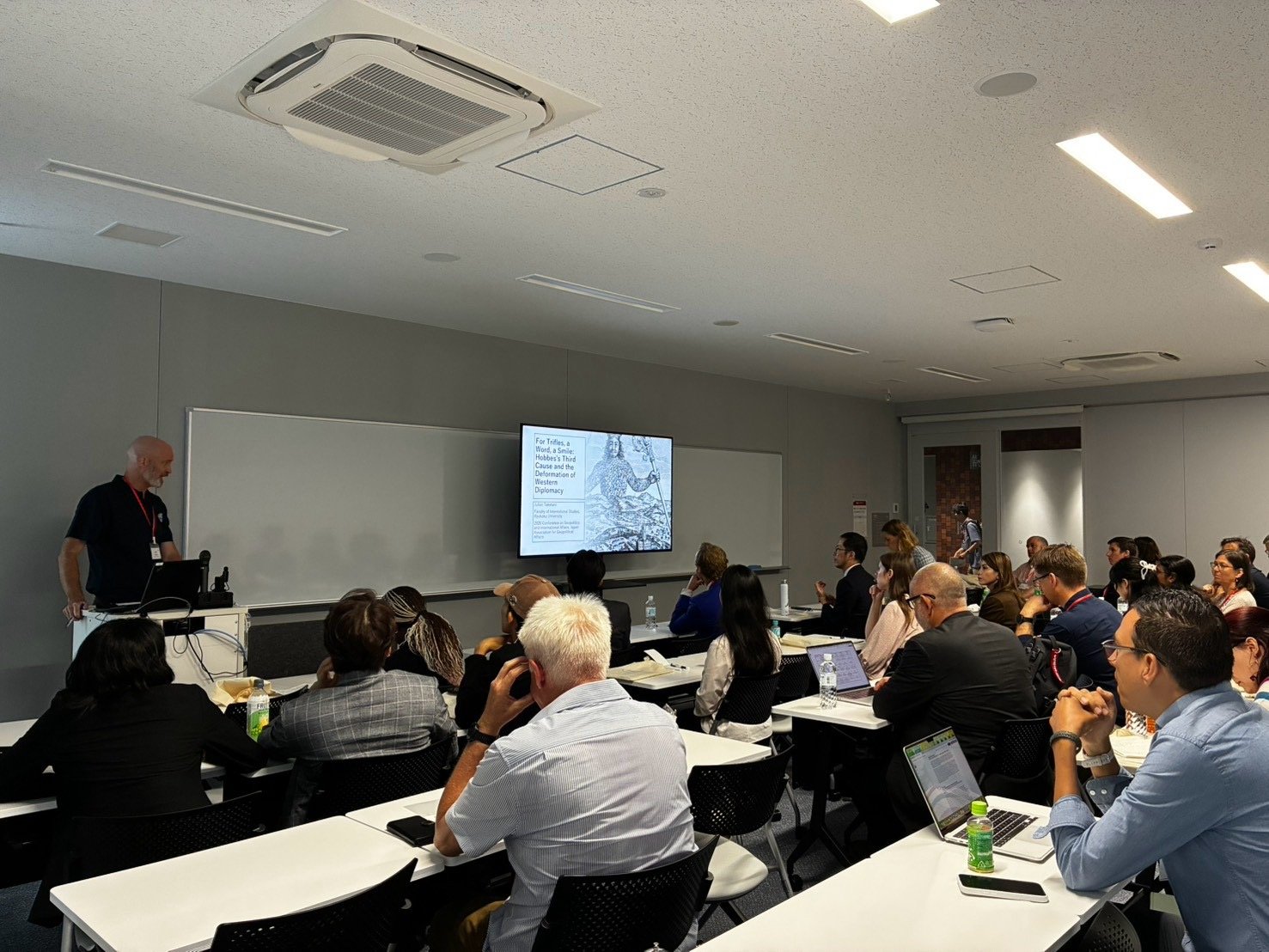
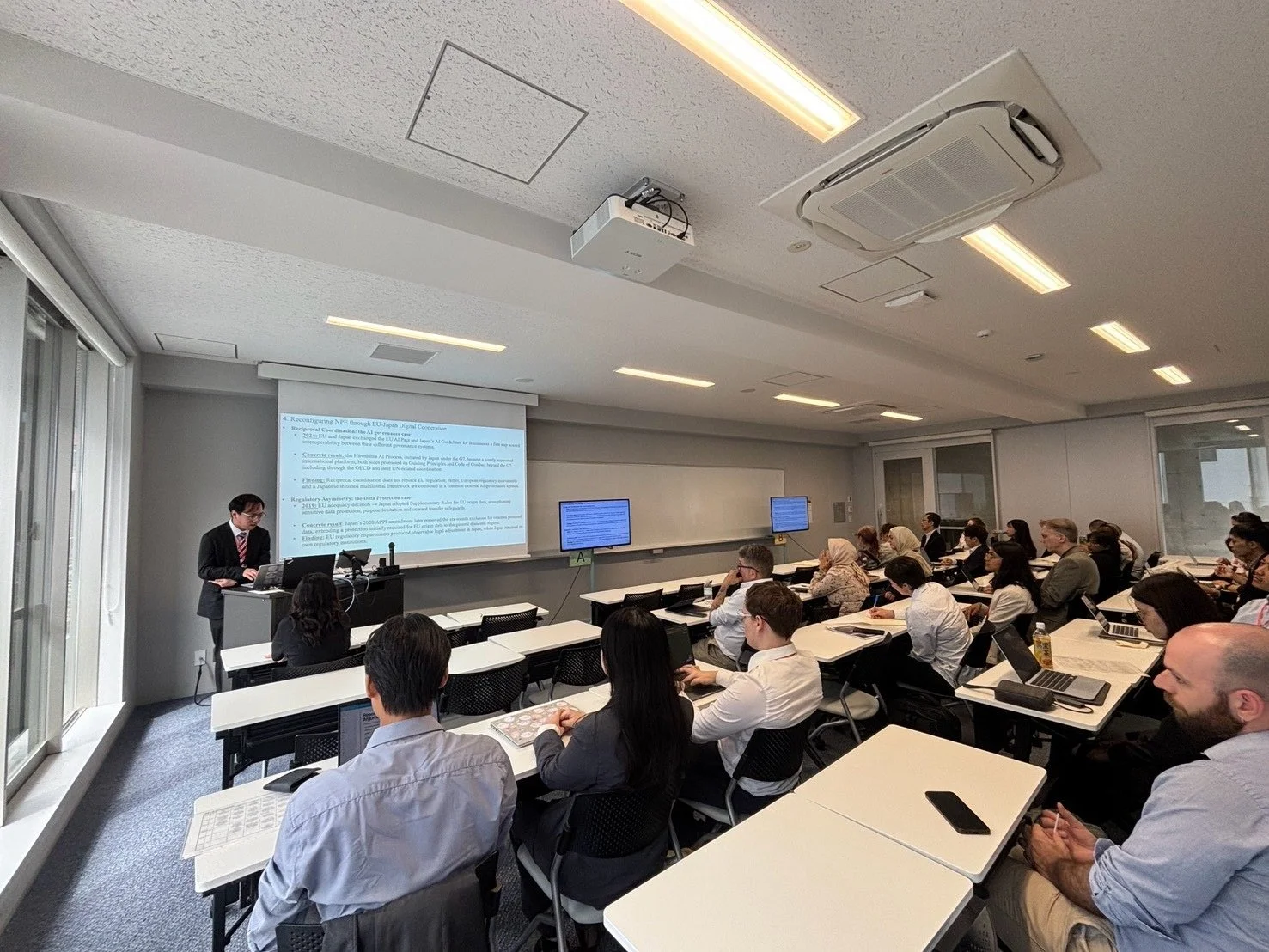
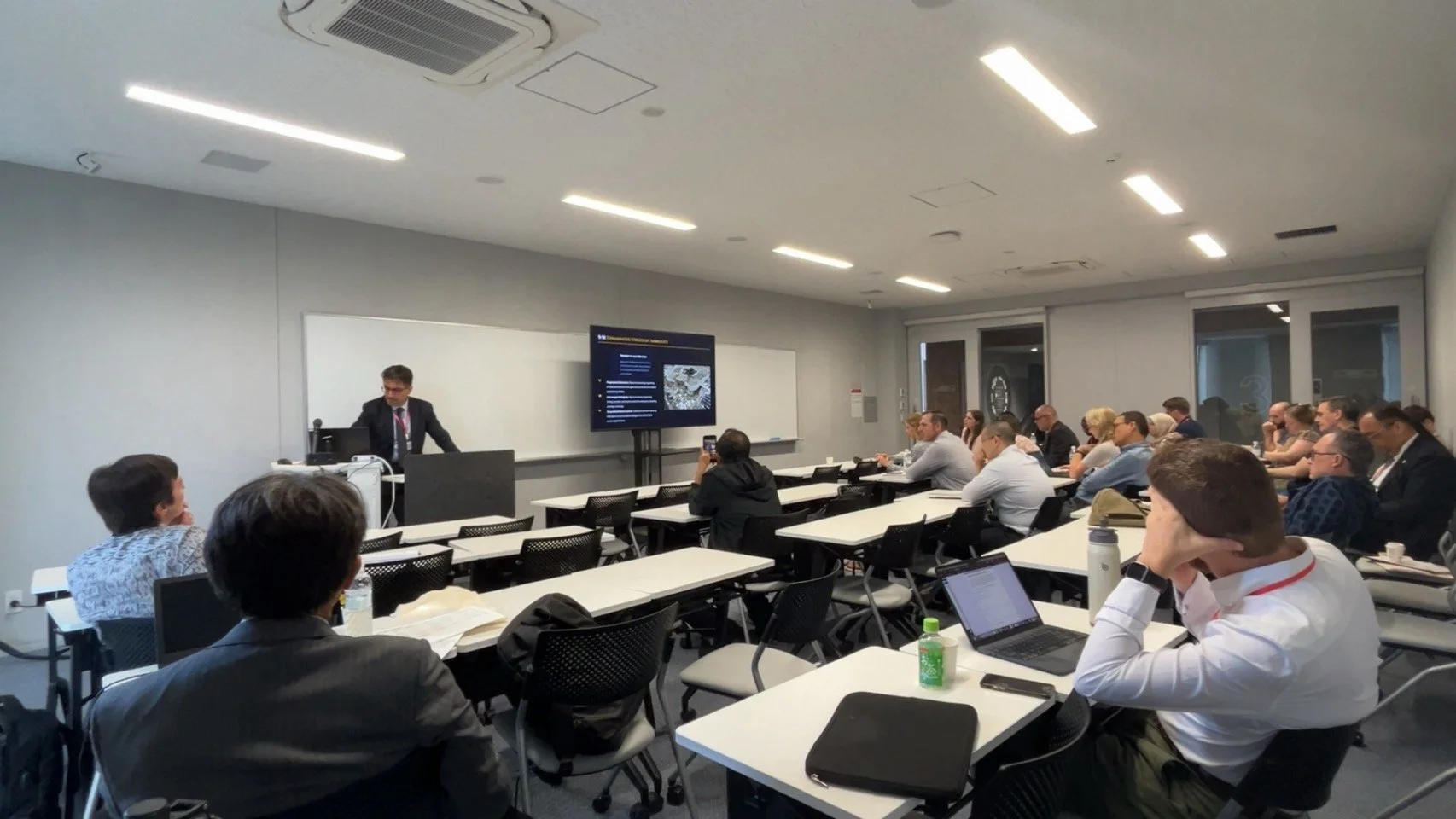
The programme adopted a format of 20-minute presentations followed by 10 minutes for questions and discussion. Feedback from participants suggested that this balance was particularly welcome, providing speakers with sufficient time to develop their arguments while ensuring opportunities for questions, clarification, and debate. We were pleased that this arrangement helped encourage engagement between presenters and their audiences.
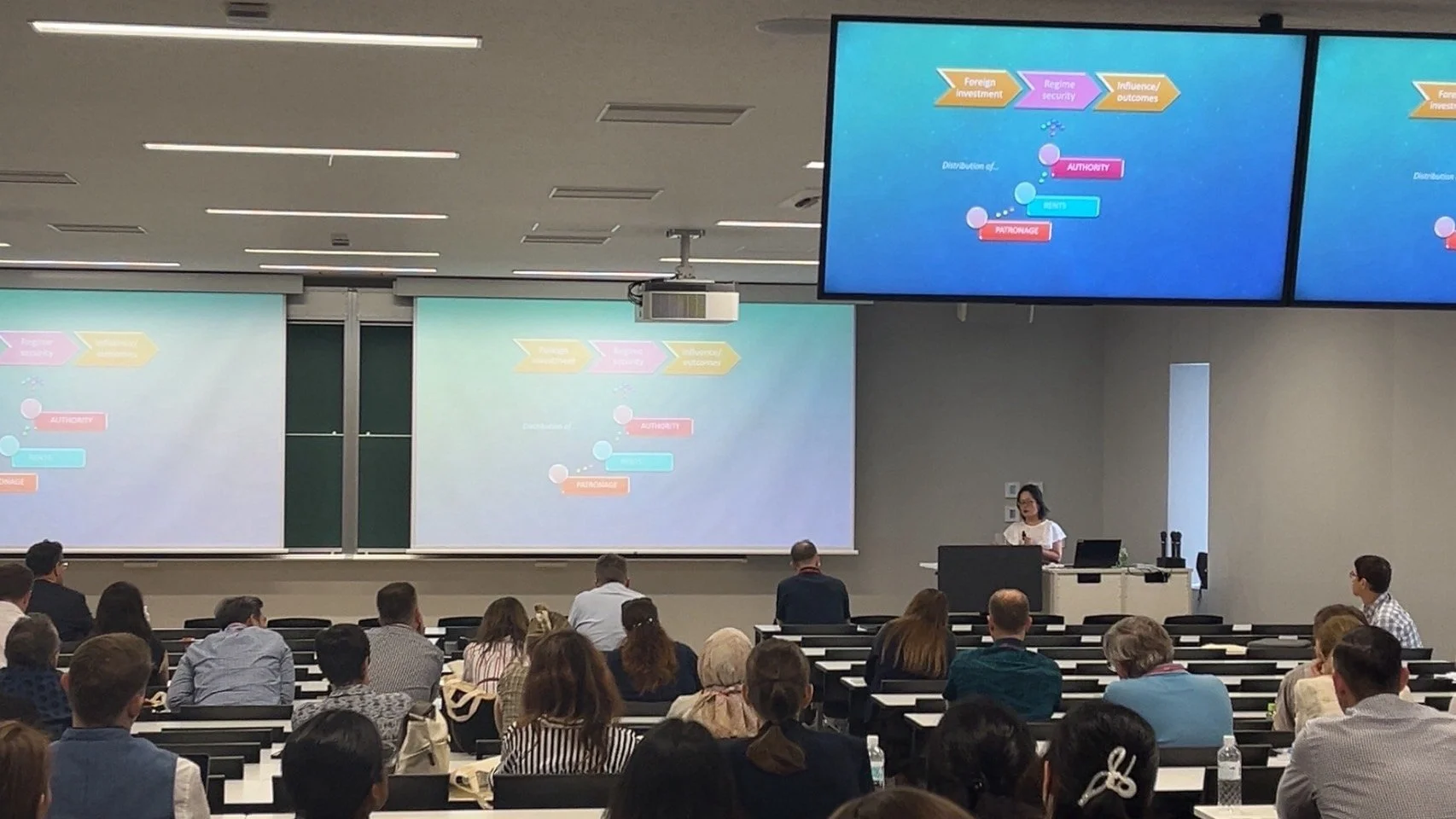
The presentation was particularly relevant to the conference theme, illustrating how the pursuit of economic development and international cooperation can create difficult questions concerning dependence and autonomy. It also offered a valuable perspective on the challenges facing smaller and middle powers as they navigate an international environment increasingly shaped by competition between major states.
We are extremely grateful to Professor Goh for her fascinating contribution and for helping to make this year's conference such a stimulating occasion.
Conversations beyond the conference rooms
Although the formal academic programme naturally occupied much of the weekend, we have always regarded the informal dimensions of our conferences as equally important.
Our aim is not simply to provide a venue where researchers can deliver papers and discuss their findings. We also want to create opportunities for people working in related fields, often in different countries and institutional environments, to meet one another as colleagues and establish relationships that might continue long after the conference itself has ended.
With this in mind, the weekend's social activities began on Friday evening, before the formal opening of the conference. Many presenters gathered for drinks at Sight-Kyoto, an elegantly renovated traditional machiya in Gion, overlooking the Kamo River. The setting provided a relaxed and welcoming introduction to the weekend, allowing participants to renew existing friendships, make new acquaintances, and enjoy informal conversation before the academic sessions began.

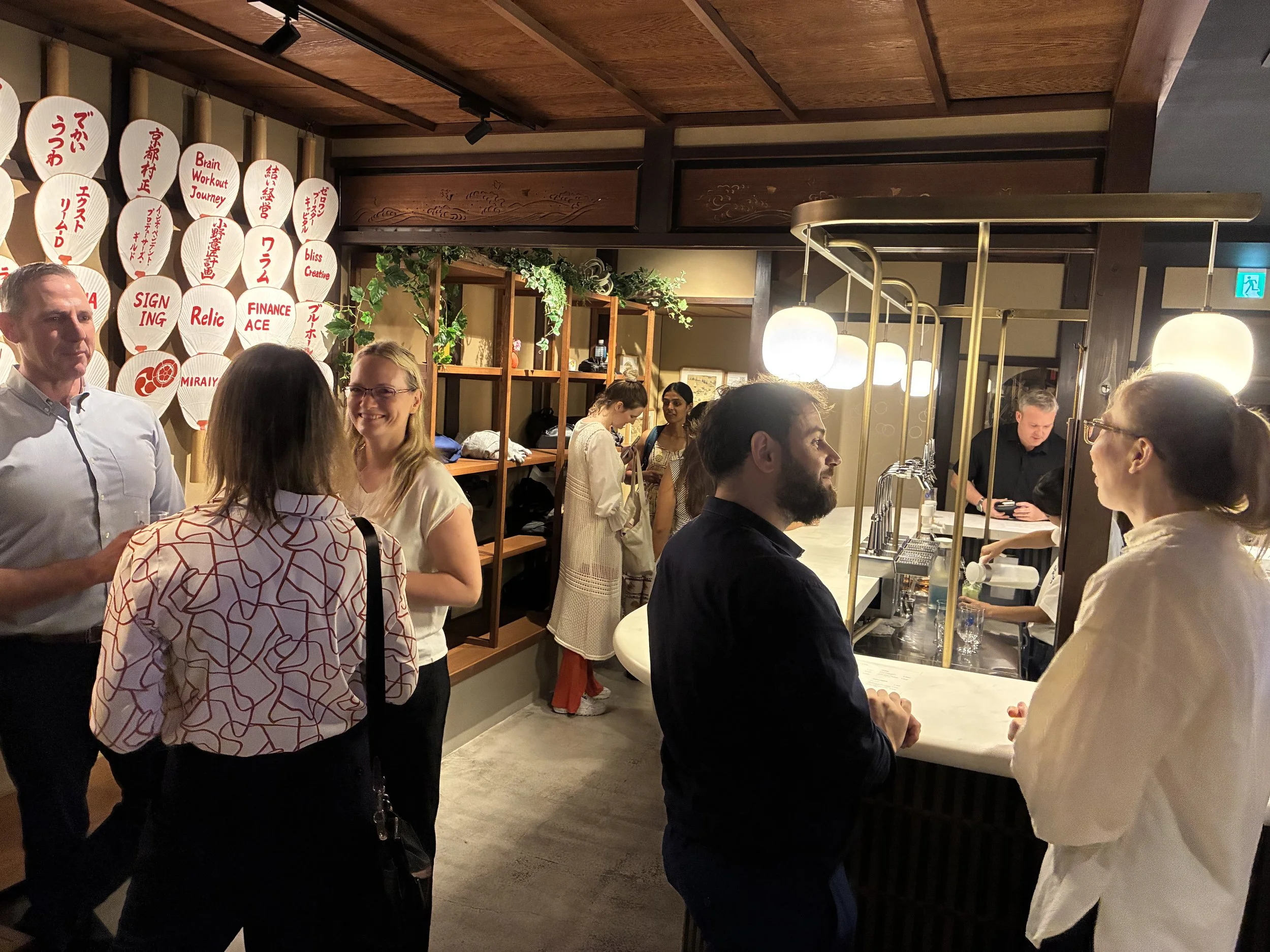

For some attendees, it was an opportunity to reconnect with colleagues they had met at previous JAGR events. For others, particularly those attending for the first time, it offered an introduction to a new community of researchers. Such occasions can be especially valuable at international conferences, where the relatively brief time available between presentations does not always allow for more extended conversations.
The principal social gathering took place on Saturday evening, when approximately 80 participants attended the conference dinner at Ganko Takasegawa Nijo-en. Set within a traditional Japanese restaurant with a beautiful garden, the venue provided a memorable setting for the evening.
Guests enjoyed several courses of kaiseki cuisine, accompanied by an open bar, while also having the opportunity to explore the restaurant's traditional Japanese garden. The dinner offered a welcome change of pace after a full day of presentations and discussion, giving participants time to relax and engage in conversations extending well beyond the subjects of their research.
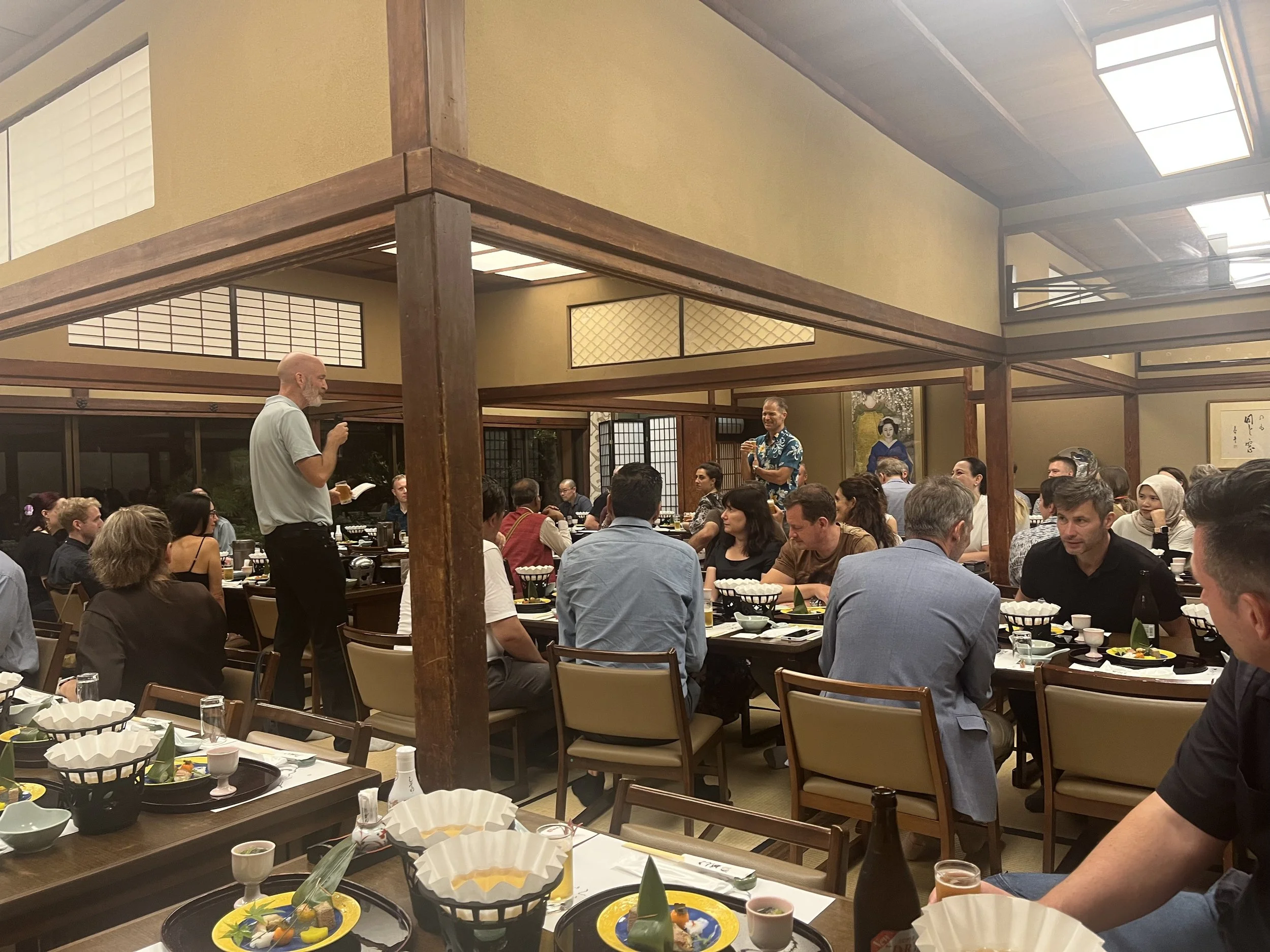
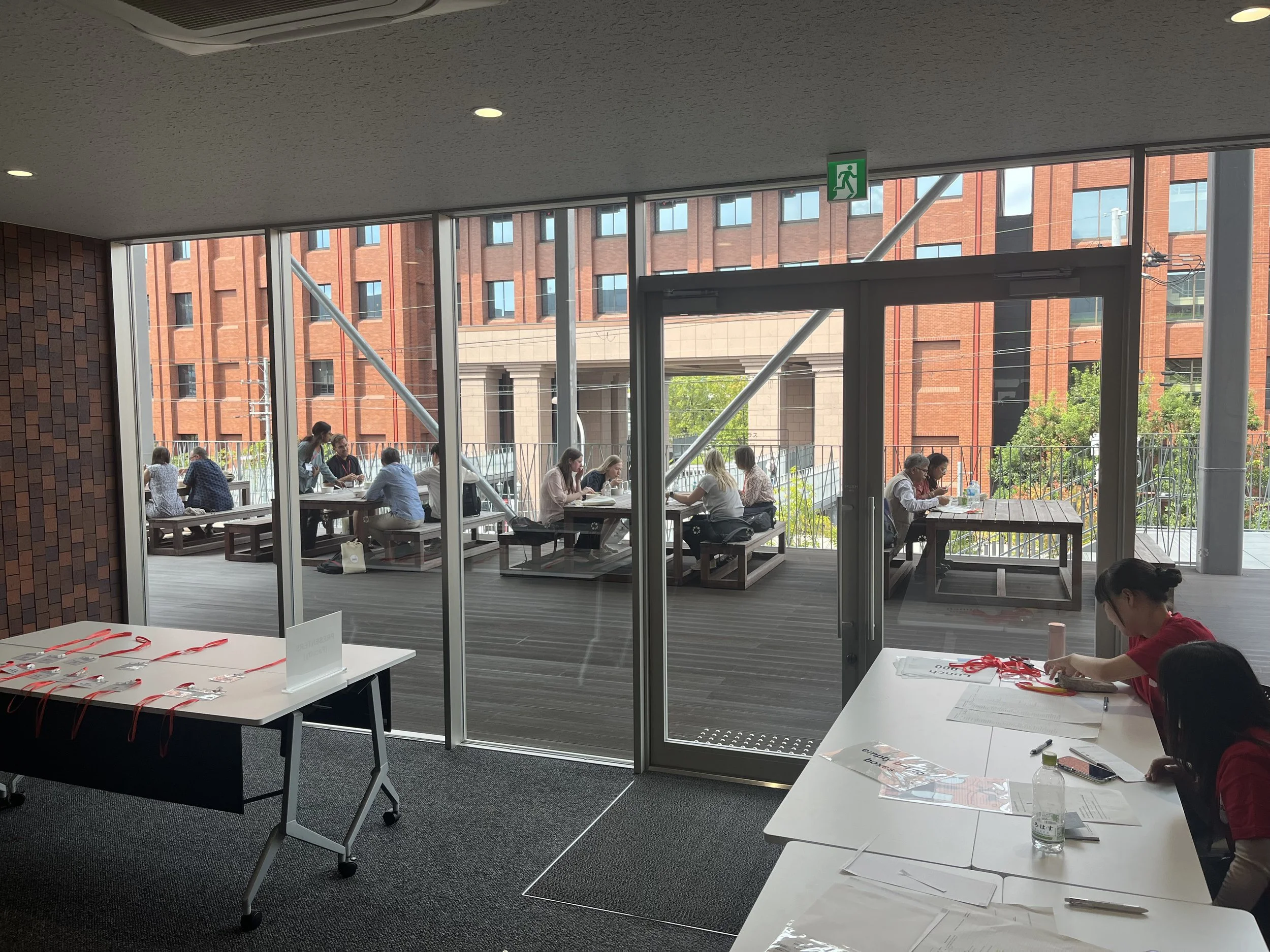
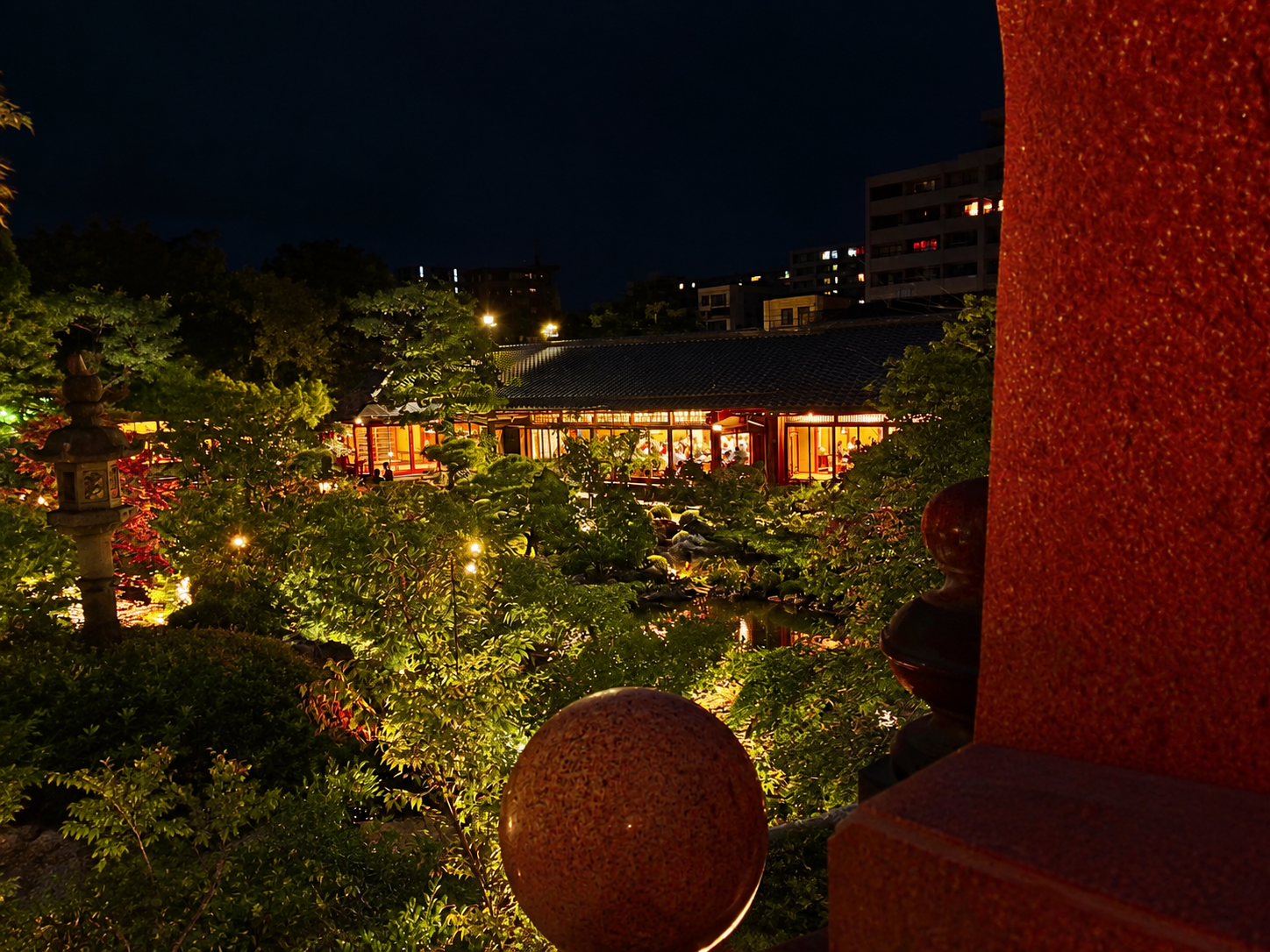
We hope that these informal encounters were among the most rewarding aspects of the weekend. For researchers, particularly those whose specialist interests may be shared by relatively few colleagues at their home institutions, finding an international community of people with similar intellectual interests can be enormously valuable. Such connections can lead to collaborative research, future conference participation, publications, and professional opportunities. Just as importantly, they can provide a sense of belonging to a wider scholarly network.
This is something we hope to continue cultivating as JAGR develops.
Behind the conference
Organising this year's event presented challenges of a somewhat different scale from those we had encountered previously. With a considerably larger programme and more participants than at our earlier conferences, there were inevitably concerns about whether everything would run as smoothly as we hoped.
Coordinating presentations across multiple parallel sessions, accommodating participants travelling internationally, and managing the practical requirements of the venue all required considerable preparation. As is almost unavoidable with an event of this size, a small number of last-minute changes were necessary when illness or travel difficulties prevented some presenters from attending as planned.
Fortunately, these disruptions were relatively minor, and the conference proceeded without significant difficulties. We were especially pleased by the positive feedback received from participants, many of whom commented favourably on the clarity and usefulness of the information provided before and during the event, as well as the responsiveness of the organising team to enquiries and individual requests.
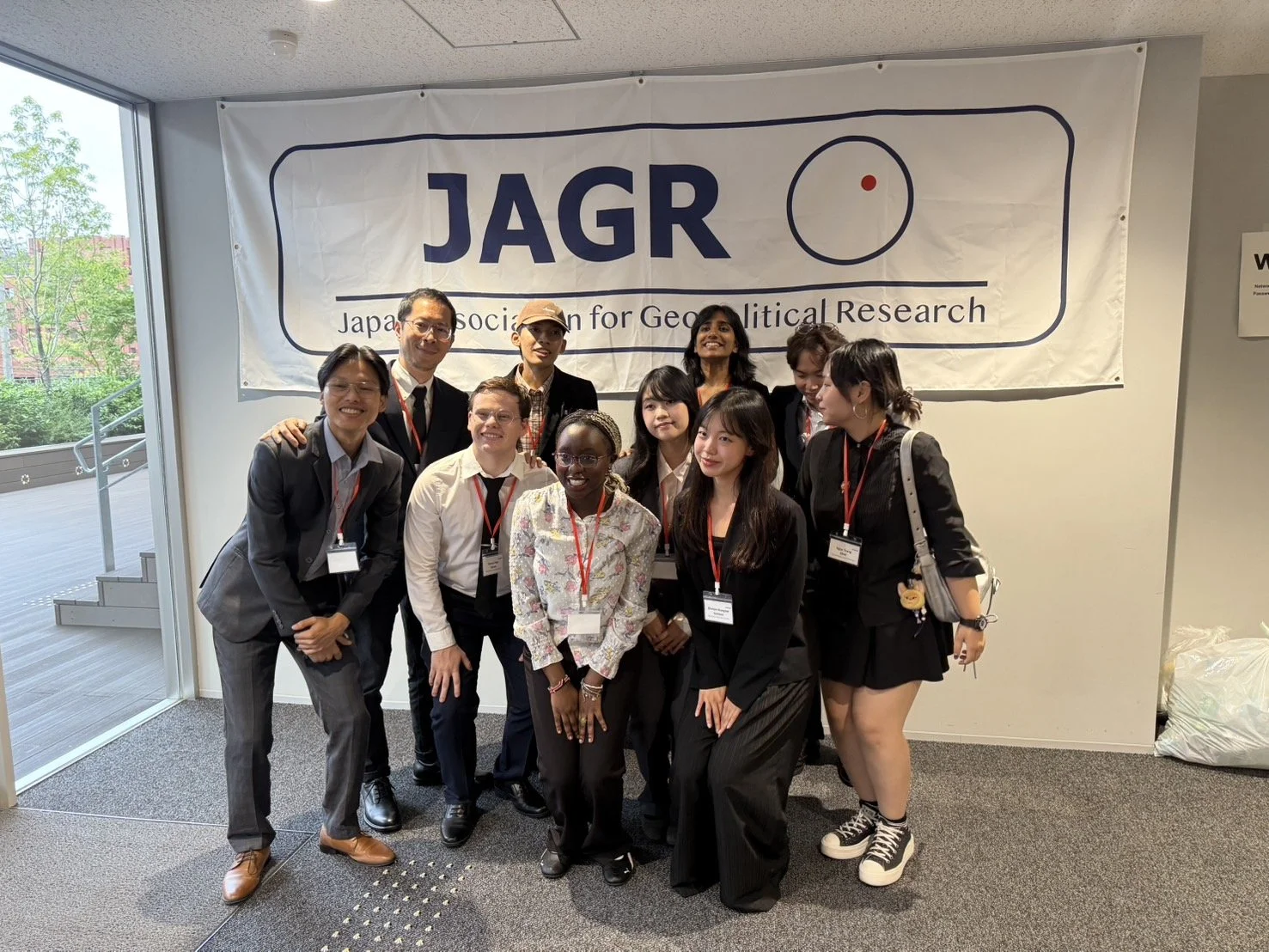
Much of the credit for the smooth running of the event belongs to the ten student helpers who assisted us throughout the weekend. Their contributions were invaluable, from helping with the initial setup and practical organisation to assisting participants and supporting the moderation of individual sessions. Their willingness to take responsibility, respond to unexpected needs, and help ensure that activities proceeded efficiently made an enormous difference to the organisers.
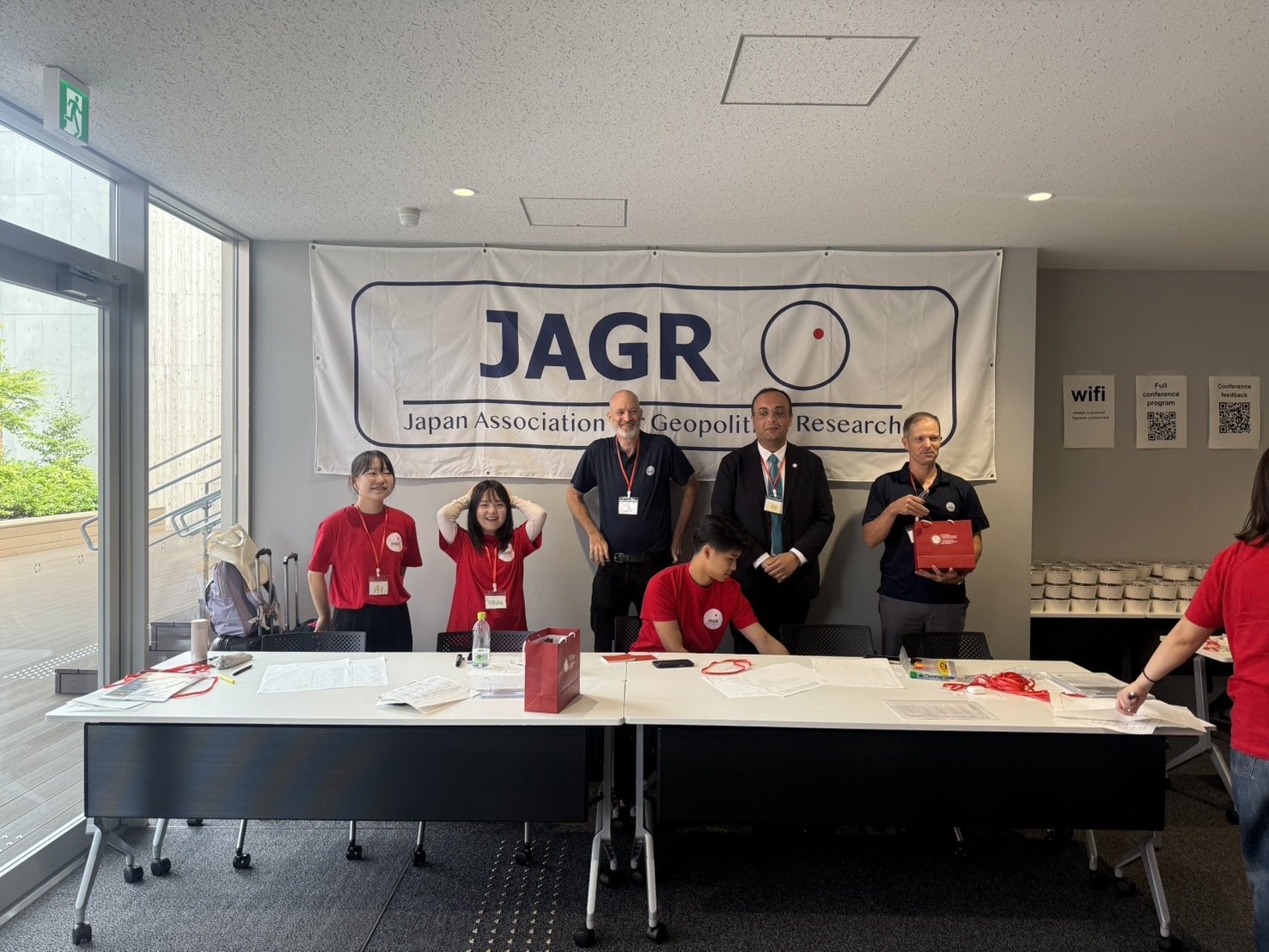
We were particularly pleased that several participants independently praised the students for their helpfulness and professionalism. We would like to express our sincere appreciation to all ten for their hard work, patience, and enthusiasm.
We are also grateful to Ryukoku University for providing the setting for this year's conference, and to everyone who contributed to its organisation and operation.
Looking ahead to 2027
While we are pleased with how JAGR 2026 unfolded, we are conscious that there are always lessons to be learned. The increased scale of this year's event provided valuable experience in conference planning and coordination, and we will be considering how to build on that experience to make future gatherings even more rewarding for participants.
Our intention is to continue developing JAGR as an international forum for serious, open, and constructive discussion of geopolitics and international relations. We believe there is considerable value in bringing together researchers from different intellectual traditions, national backgrounds, and stages of their academic careers, particularly at a time when geopolitical divisions can make meaningful dialogue increasingly difficult.
Above all, we hope that participants left Kyoto not only with new ideas and perspectives but also with new professional relationships and friendships. A successful academic conference should be more than a collection of individual presentations. At its best, it can become a starting point for conversations, collaborations, and intellectual exchanges that continue for years afterwards.
We are already looking forward to JAGR Annual Conference 2027, which will return to Ryukoku University's Fukakusa Campus next September. A call for papers will be released shortly, and we hope to welcome both returning participants and many new faces.
To everyone who presented, attended, assisted, or otherwise contributed to JAGR Annual Conference 2026, we extend our sincere thanks. Your participation made the weekend possible, and we look forward to seeing you again next year.
With our thanks and best wishes,
Gavan, Julian, and Patrick